Valentina
The conversation about HIV prevention has finally progressed to match the current scientific understanding of this topic. Historically, the global discussion on HIV prevention has tended to focus on one primary prevention method: the condom. Although barrier protection is an important part of maintaining sexual health, advances in modern medicine have provided additional methods of HIV prevention through the use of pharmaceuticals (known as PrEP & PEP) as a form of medical therapy.
PrEP & PEP are faced with changing the approach to HIV prevention from a behaviour-based strategy to a medical management approach. They are providing the user with a new level of confidence, control and choice in their ability to maintain their sexual health. Only 20 years ago, people would never have imagined that they would be able to take charge of their protection against the HIV virus in the manner that they can today.
The creation of these products is not simply a new way of providing a service to the public, but rather represents a shift in the way that health care providers and the general public view the end goal—the elimination of the HIV epidemic.
The Power of Preparation: Understanding PrEP
PrEP or Pre-Exposure Prophylaxis, is a drug that is taken prior to actually being exposed to HIV to reduce the chance of getting the virus. PrEP as of now is taken as a daily tablet (but there are also long-acting injectable formulas on their way) and consists of two antiretroviral drugs combined together to treat HIV.
The way that PrEP works is very easy to understand. Each time you take the PrEP pill it builds up in your body and creates large amounts of the drug in your blood and other parts of your body (such as the vagina and the rectum). If HIV happened to enter your body, this high level would act to block its entry right away, therefore stopping the virus from multiplying and becoming established in your body. Therefore, PrEP prevents you from being infected with HIV permanently.
Efficacy That Redefines Confidence
PrEP’s success is nothing short of astounding, as clinical trials and real-world data have demonstrated repeatedly over the years that, when taken correctly and consistently, PrEP provides approximately 99% efficacy against acquiring HIV through sexual activities and 74% efficacy against acquiring HIV through injection drug use.
The amount of confidence generated regarding PrEP has created a whole new dialogue surrounding sexual health and wellness. For example: If you’re in a relationship with an HIV-positive partner, PrEP allows you to feel more secure in the relationship; If you are at risk for HIV due to other parts of your life, PrEP allows you to rest easy knowing you are better protected than before.
PrEP in Practice: Adherence is Everything
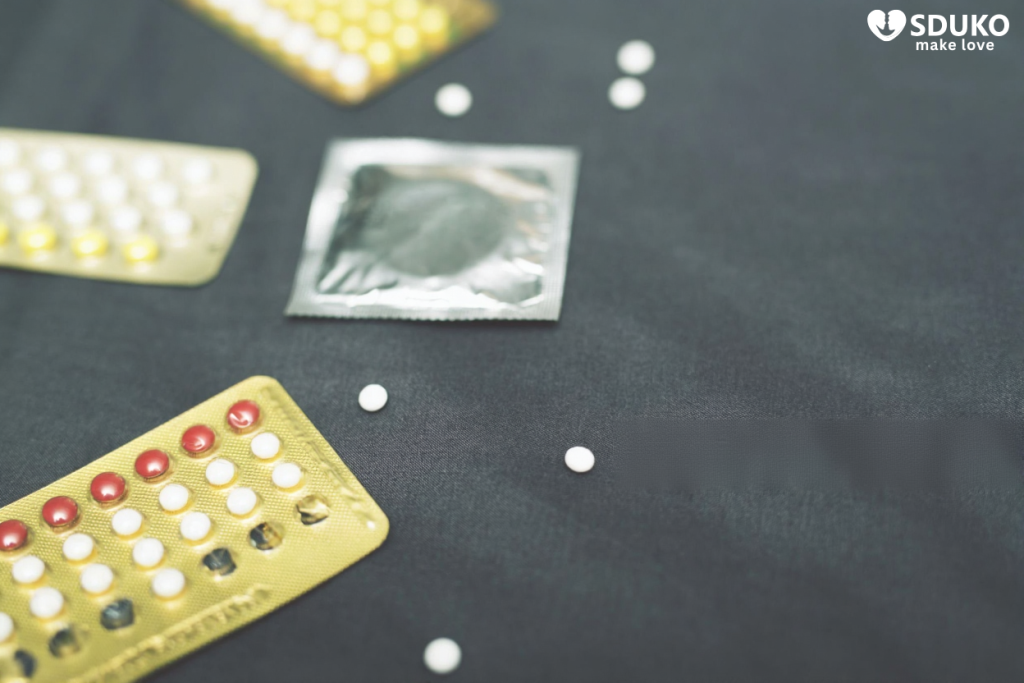
PrEP is not a vaccine, rather PrEP requires a commitment to taking the medication. The effectiveness of PrEP depends entirely on adherence to the medication regimen.
There are currently two methods of taking oral PrEP;
Daily dosing: Once a day. This is the method that has been researched most thoroughly and is the most often recommended and affords the highest odds of having optimal protection from HIV, this is particularly true for men who have sex with men and people who engage in receptive vaginal intercourse where drug levels build up in the tissue at a slower rate.
Event driven dosing (2-1-1): Also referred to as “on demand” dosing – This method consists of taking a minimum of 2 tablets 2 to 24 hours before anticipated sexual intercourse, one tablet 24 hours after taking the first 2 and another tablet 24 hours thereafter. This method is 100% effective in preventing HIV transmission during receptive anal sex, however it is not recommended for those who engage in receptive vaginal intercourse, have Hepatitis B and those who are uncertain about their ability to adhere to the timing regimen associated with this method.
It is important that all individuals who are prescribed oral PrEP are monitored regularly through testing for HIV and STIs, usually every 3 months and for kidney function while taking PrEP. These regular tests are to assure the continued safety and effectiveness of PrEP for the user.
The Emergency Safety Net: Understanding PEP
Post-Exposure Prophylaxis (PEP), also known as emergency response treatment for HIV Positive individuals; versus Pre-Exposure Prophylaxis (PrEP) which is preemptive preparation against developing an HIV positive status.
PEP is a strict prescription regimen comprised of taking 3 medications daily to help prevent an individual from contracting HIV after a potential exposure.
The Critical 72-Hour Window
The 3-day timeframe (72 hours) following exposure is the most crucial for beginning a PEP regimen in order to have maximum effectiveness (ideally started as soon as possible after potential exposure). Beyond this 3-day mark, and if the HIV virus has already taken hold of the person’s immune system, then the PEP regimen will no longer be effective.
PEP regimens typically consist of taking a combination of 3 different antiretroviral medications daily for 28 days straight.
There are two main categories of PEP:
PEP is a type of medical treatment designed to prevent infection with HIV after a possible exposure. There are two main types of PEP: nPEP (Non-occupational) which is for people who have been exposed to the virus due to high-risk behavior, and oPEP (Occupational) which is for healthcare workers who have been accidentally exposed to the virus in the course of working with blood or body fluids.
During PEP, the body receives an intensive dose of the medications used to treat HIV. The aim of PEP treatment is to quickly eliminate any possible viral particles that may have entered the user’s system and stop them from multiplying and creating a lifelong infection.
The intensity and high dosage of PEP can cause significant short-term side effects (nausea, fatigue) that can affect adherence to the regimen. Adhering to PEP is crucial; missed doses will significantly reduce the chance of the virus being successfully eliminated from the user’s system. Following completion of PEP, blood tests for HIV must be conducted at the end of treatment and again three months later to verify that no infection has occurred.
A New Era of Layered Defense
PrEP and PEP have the greatest potential for modern-day HIV prevention when considered alongside one another within a menu of options (individualized control and choice) for layered protection.
- Condoms provide protection against HIV as well as many other STIs (a broad range of sexually transmitted infections).
- PrEP: Long-term pharmaceutical protection against HIV (nearly 100%).
- PEP: a “safety net” for sudden events.
- U=U means that individuals with HIV who are receiving treatment and achieve an undetectable viral load cannot sexually transmit HIV to anyone else; this is a great prevention advantage.
This shift away from shame and fear toward medical empowerment is all about making individual choices about your sexual health. Taking PrEP or PEP is not a “reckless” act, but rather a responsible, progressive decision to incorporate contraceptive and vaccination measures into your lifestyle.
Access and Destigmatization
PrEP and PEP are two great weapons in our war against HIV. Unfortunately, both are still hampered by cost, access, and stigma. Normalizing the discussion around these prevention strategies through healthcare providers and public health initiatives is essential to getting them into the hands of the people who need them most. Whether you’re a man, woman, or something in between; whether you’re straight, gay, bi, or any other sexual orientation; and whether your lifestyle includes multiple partners or none at all, you can take advantage of these powerful tools if you identify as being at risk.
Generic formulations of PrEP have become common throughout many areas of the country, and with state and federal assistance programs, many individuals can receive PrEP without paying anything for it. If you are concerned about the cost of being protected against HIV, then there are resources available to help you secure funding to obtain your desired protection without jeopardizing your health.
Sduko believes it’s important for our readers to have the knowledge and information they require in order to make informed choices about their sexual health. This is even more crucial now, with the increasing numbers of people who are becoming infected with HIV /AIDS; therefore, it is essential that we do everything we can to help reduce the risk of these infections using all tools that are available.
If you think PrEP or PEP is right for you, don’t wait to get started. You can discuss your options with your healthcare provider, visit a sexual health clinic near you, or reach out to an organization focused on HIV prevention today. Taking control of your methods for preventing HIV is one of the greatest acts of self-care you can do for yourself.
Explore more sex and sexuality tips on our blog, and follow us on X, Facebook, and Instagram for the latest updates, expert advice, and resources to help you stay safe and empowered.
 Paola Rossi